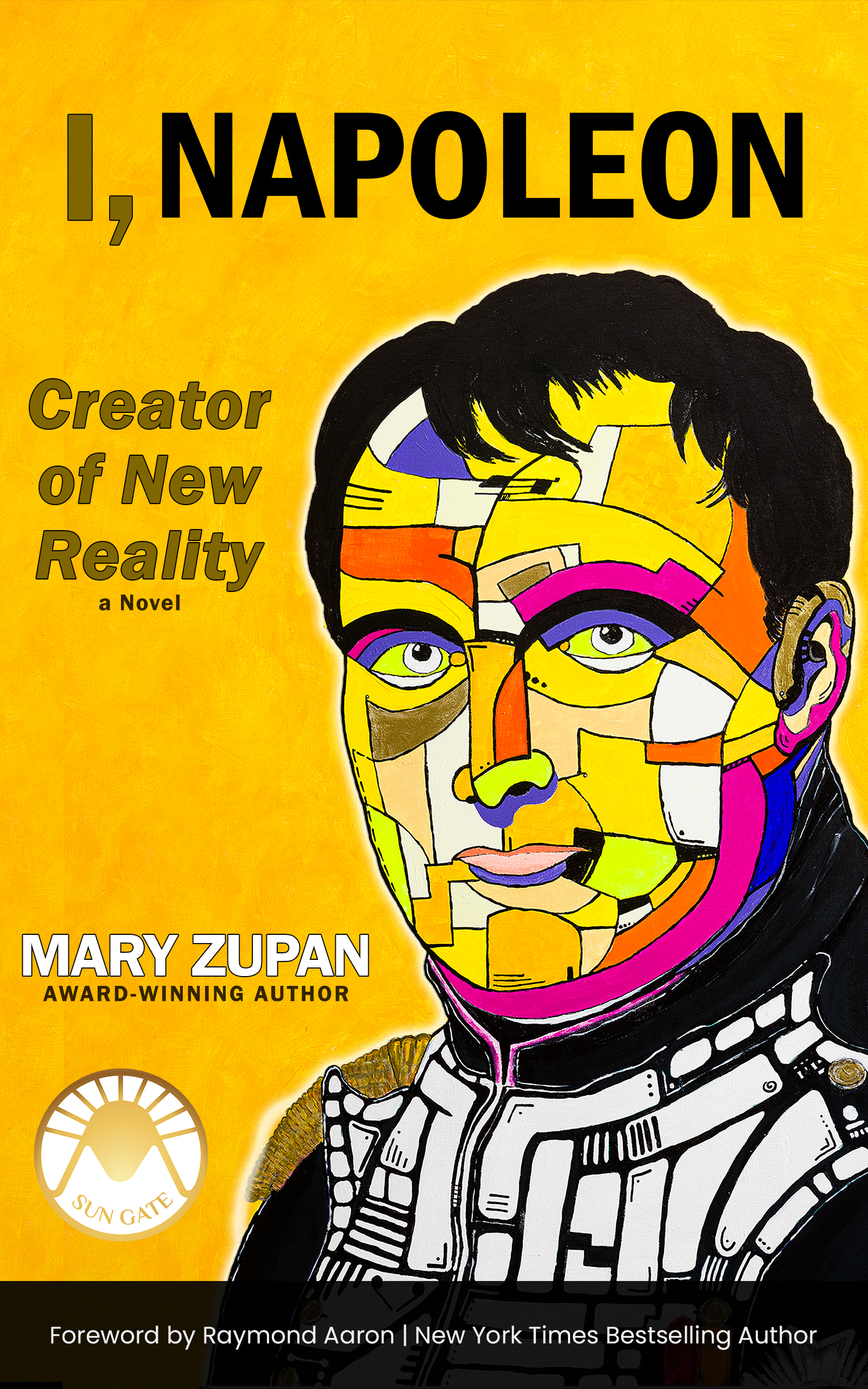

Description
At the heart of this historical novel is a pivotal moment in history, when the very foundations of society were shaken to their core during the French Revolution. Set against the backdrop of historical events spanning from 1787 to 1825, an era of profound significance. It’s a time when revolutionary ideals came to the forefront, with the introduction of the Declaration of the Rights of Man and of the Citizen, proclaiming the inherent rights and liberties of all individuals. This era also witnessed the groundbreaking impact of the Napoleonic Code, which reshaped the concept of law, promoting equality and justice.
Within the pages of this book, three central characters—Napoleon Bonaparte, Tzar Alexander I of Russia, and the inquisitive Katya—navigate a world on the brink of change, where ambition, feudal traditions, and societal norms collide. ‘I, Napoleon: Creator of New Reality’ masterfully blends fact and fiction, offering a vivid portrayal of an era marked by political intrigue, the relentless pursuit of liberty, the fight for equality, and the enduring quest for freedom.